
The Book That Helped Me Through My Transition: The Product Book
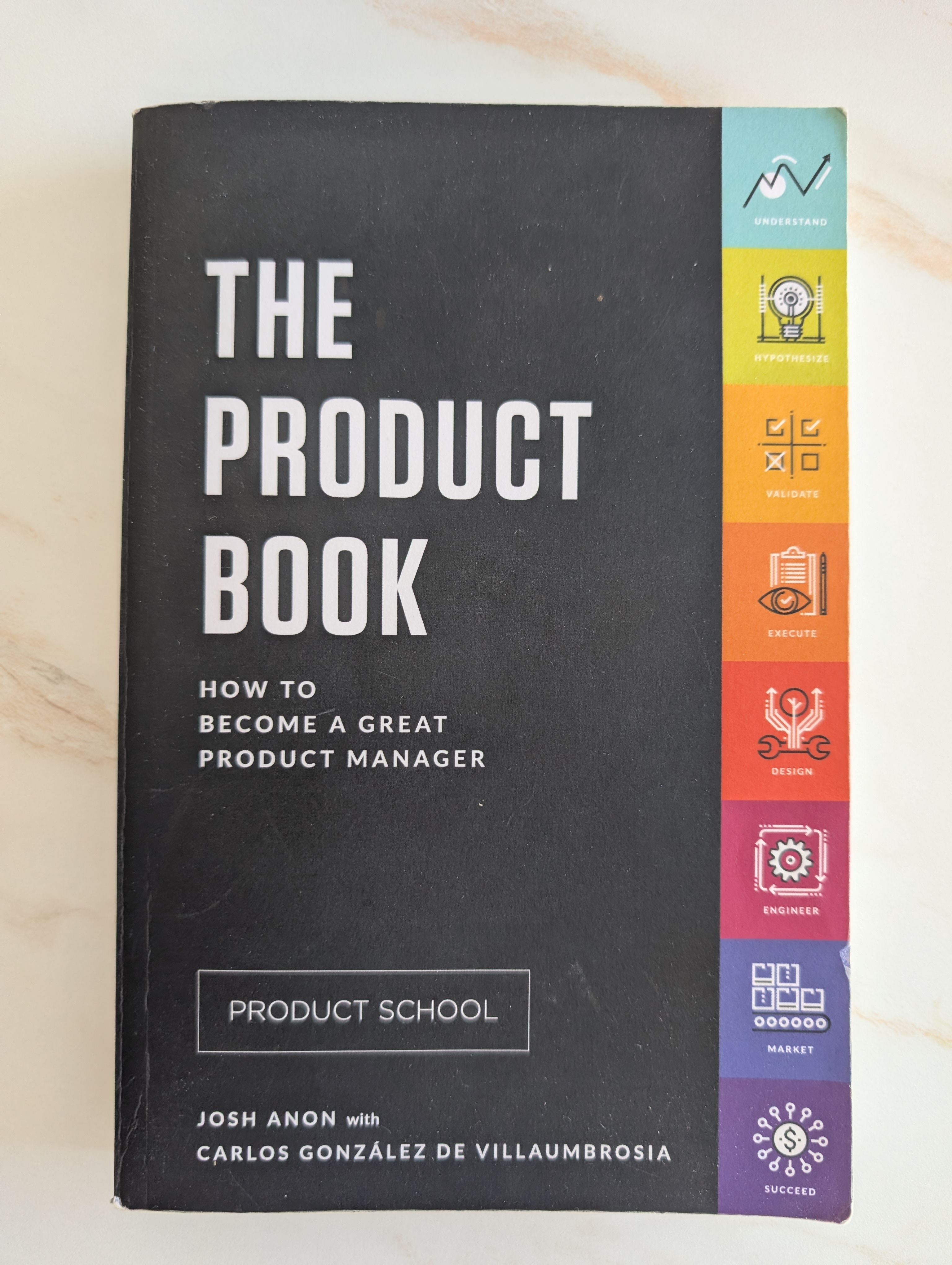
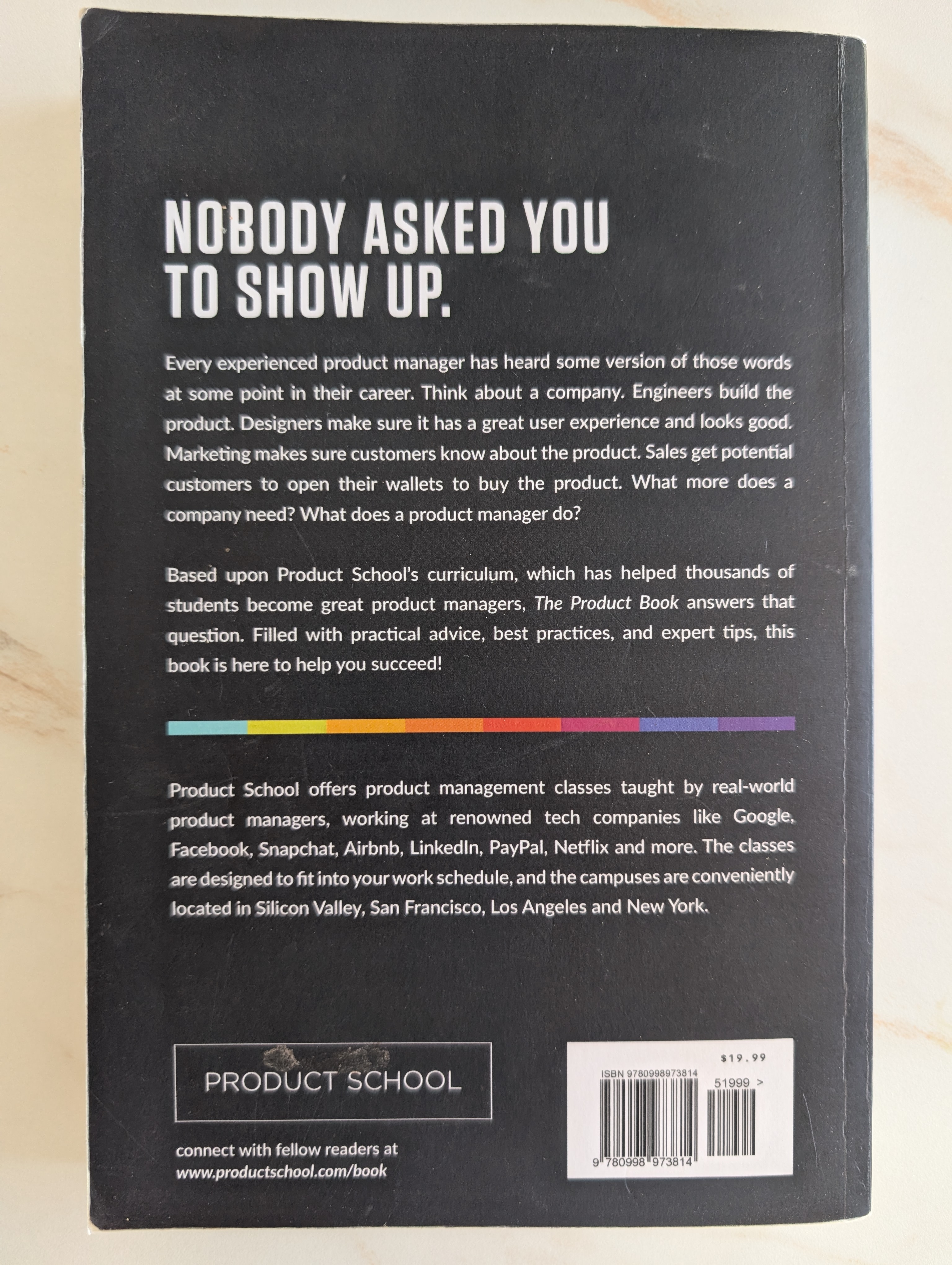
Today, I want to share with you a book that was of great help during my professional transition: The Project Book. Purchased in 2018, it accompanied me through my transition from Product Owner to Product Manager. This book really constitutes the base to understand the challenges of the role. Three elements stood out to me at the time and that I still keep today.
Understanding the difference between success metrics and vanity metrics
The first point concerns the distinction between success metrics and vanity metrics. Although these concepts are addressed in other books, it was in The Project Book that I first encountered this idea. It is about knowing how to identify the right KPIs, those that have real impact and that serve to evaluate the effectiveness of an initiative. These indicators should not be limited to numbers that flatter the ego or that do not provide tangible value.
It is about cross-referencing each KPI with a business impact, and not just user impact. For example, the number of downloads or likes does not necessarily reflect the added value for the company. On the contrary, revenue per user offers a more relevant measure. The goal is to find KPIs that allow measuring the real impact of an action. Although this is not a major section of the book, this approach helped me focus on more important KPIs.
The PRD: a document for sharing with stakeholders
The second point concerns the PRD (Product Requirements Document). It is a tool/document that is often crossed. Of course, each team adopts it in their own way. For my part, I write it in two pages maximum, and I consider it as a document for sharing with stakeholders. It summarizes the information about the feature or product I want to launch.
This document allows aligning with teams, explaining the why, and defining the scope of the features. It often includes user stories, and success metrics. This allows clarifying in advance what we want to solve or improve before starting development.
To help you get started, here is a reference PRD template: Product Requirements Document Template – Product School.
The business model canvas: the difference between a PO and a PM
The third point concerns the business model canvas. It is there that lies a fundamental difference between a Product Owner and a Product Manager, in my opinion. The latter allows visualizing how the product generates value and how to derive revenue from it. The business model canvas serves to define customer segments, communication channels, relationships with stakeholders, and the means to reach them (marketing, communication, sales, support, etc.). It is a tool that allows structuring the vision of the product and its economic impact.
To explore and use the business model canvas, Strategyzer provides the official template: The Business Model Canvas – Strategyzer.